
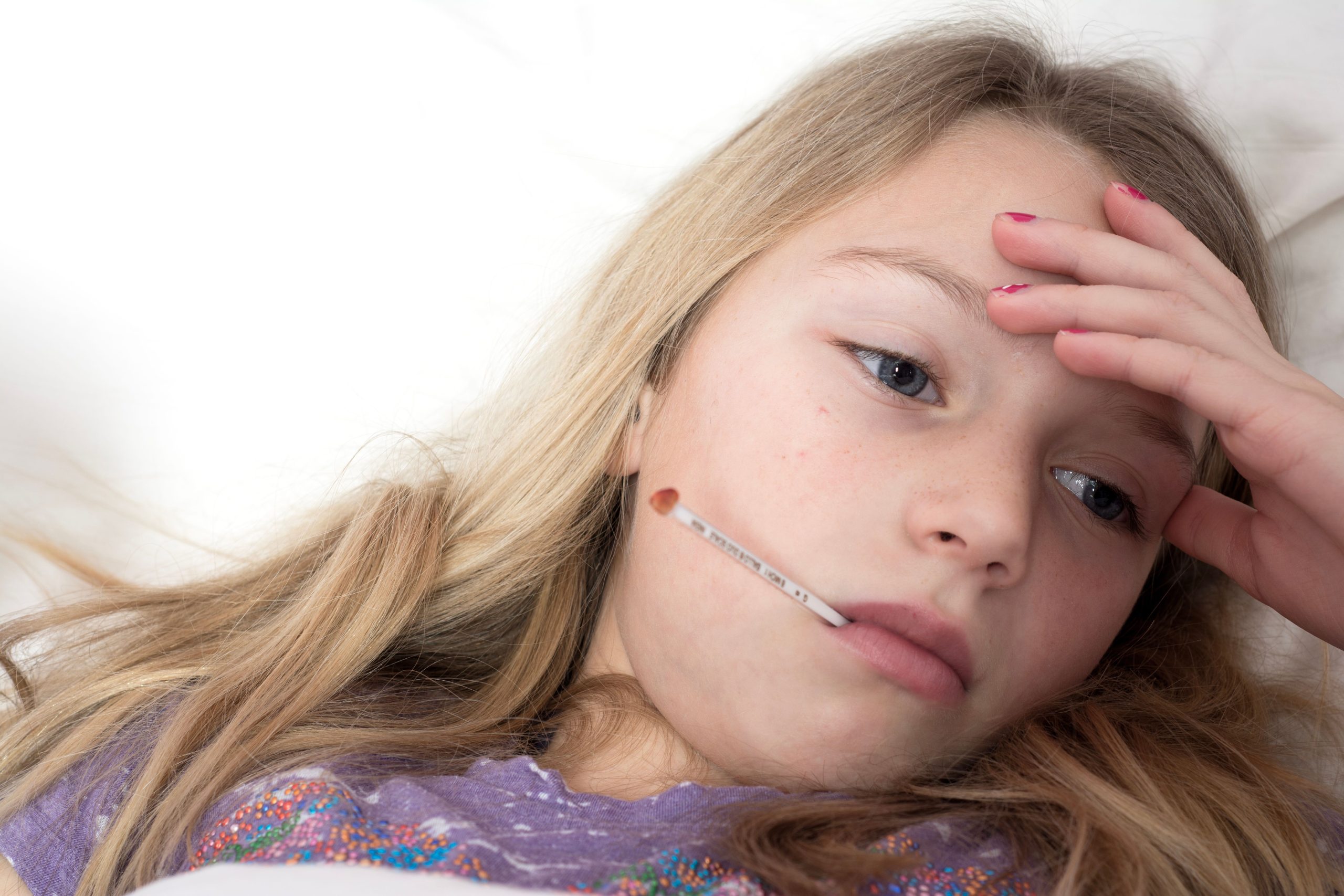
In 2012, Doncaster Local Medical Committee (LMC) and Doncaster Council reached a shared agreement that letters from GPs should not be used as evidence to validate a pupil’s absence from school.
This approach recognises that school attendance is primarily an educational matter rather than a healthcare function. It also supports the effective use of NHS resources by ensuring that valuable clinical and administrative time is reserved for patients who require assessment, treatment, and ongoing care.
As a result, practices across Doncaster are advised not to provide letters, certificates, appointment attendance confirmations, sick notes, or other forms of medical evidence for the purpose of school absence verification.
Maintaining a consistent approach across all practices helps reduce unnecessary demand on general practice and ensures that NHS capacity remains available for those who are unwell.
We remain grateful to Doncaster Council for its continued support of this position and for recognising the importance of protecting frontline NHS resources.
GPs should not issue sick notes, medical certificates, or supporting letters for school-aged children who are absent from school due to illness. This applies to short-term illnesses and the vast majority of longer-term attendance concerns.
There are several reasons why requests of this nature should not be managed by general practice:
Parents and carers are responsible for notifying schools when a child is unwell. Schools should not routinely require medical evidence for short periods of absence, and GPs should not be expected to validate these absences.
It is important that children, families, schools, and healthcare professionals share a clear understanding of the role of general practice.
Where a child is experiencing difficulties attending school, the issue is often multifactorial and may involve educational, social, emotional, family, or health-related factors. In these circumstances, GPs should not be expected to act as arbiters of attendance.
Accordingly:
General practice must remain focused on delivering healthcare rather than administering attendance processes.
If a child has ongoing health concerns that may be affecting school attendance, the appropriate source of support is often the Doncaster School Nursing Service, rather than a GP letter.
School nurses are specifically placed to:
This ensures that children receive the most appropriate support while avoiding unnecessary GP appointments and paperwork.
To maintain a consistent approach across Doncaster, practices are encouraged to:
General practice is facing unprecedented demand. Every unnecessary request for a non-clinical letter or certificate consumes administrative and clinical time that could otherwise be used to care for patients.
Maintaining clear professional boundaries helps to:
By working together, schools, families, local authority partners, school nursing services, and general practice can ensure that children receive appropriate support while preserving valuable NHS resources for patient care.
Powered By EmbedPress
Welcome to Doncaster LMC. We use cookies to enhance your experience, analyse site traffic, and personalise content. By clicking 'Accept,' you consent to our use of cookies. You can manage your cookie preferences or withdraw consent at any time by adjusting your settings. For more details, please review our Cookie Policy Learn more